Posted September 2026

Where deep roots inspire new growth.
Long before there were climate-controlled greenhouses, plant laboratories or perennials with names like Cat’s Pajamas and Gigantosaurus, there was a nine-year-old girl from the Netherlands named Dina Knoll.
Dina immigrated to West Michigan with her family, building a new life through farming. As the farm grew and they needed help, the family hired a local young man named, Dennis Walters. Dennis soon became part of the business in more ways than one, marrying Dina and helping shape the business’s future. In 1946, the family business proudly took on the Walters name.
Nearly 80 years later, Walters Gardens has grown far beyond those early roots.
Today, the Zeeland-based business is a major wholesale perennial grower, supplying growers across the country and serving as the perennial partner for the nationally recognized Proven Winners brand. Its operation spans fields, greenhouses, laboratories and trial gardens, where plants may spend generations being evaluated before ever reaching a garden center.
The business itself is multigenerational, too.
“We often joke that we’re three-and-a-half generations,” said Christa Steenwyk, Vice President of Sales and Marketing describing the current transition between today’s third generation leaders and the emerging fourth generation.
And perhaps there is no better business than horticulture to teach a family about patience, change, and the long view.
Growing Through Changing Seasons
Growth has rarely happened in a straight and steady line at Walters Gardens.
Most recently, when the COVID-19 pandemic kept people close to home, Americans began investing in the spaces immediately around them. Gardening surged. Christa remembers seeing a different customer at garden centers; young parents shopping with their children. Unlike many pandemic-era trends, much of that interest remained. For Walters Gardens, the result was extraordinary growth.
“It was painful growth,” Ryan, Hopp COO, recalled.
“Quick growth,” Karin Walters, CEO added.
There were long weeks and, in one year, growth of roughly 40 percent.
The experience required Walters Gardens to do more than simply grow more plants. The company had to grow its capacity, rethink processes, and adapt to what customers wanted. Consumers increasingly look for plants that fit the realities of their lives: drought-tolerant varieties, native plants, deer resistance, and plants that are simply easier to grow successfully. During the pandemic, Walters Gardens also leaned further into an idea called Easy Scapes—garden “recipes” designed to help consumers understand which combinations of plants will thrive in particular conditions.
It reflects a larger shift in how the company thinks about innovation: not simply creating something new but making gardening more successful for the person who ultimately takes the plant home.

Leadership Rooted in Resilience
For Christa, Karin and Ryan, Walters Gardens was part of life long before it became a career.
Like many children raised in a family business, they grew up around the operation and began working at a young age. Eventually, each found a role. Christa in sales and marketing, Karin as Chief Executive Officer and Ryan as Chief Operating Officer.
But growing up in the business did not mean they automatically knew how to lead it.
“We had to learn through trial by fire,” they recalled.
Over the years, the family has worked with outside consultants and advisors, taking pieces from different approaches rather than adopting any one philosophy wholesale. In many ways, they have developed their leadership model the same way Walters Gardens develops plants: test, observe, learn and adapt.
Ryan has a simple phrase for it: “Fail fast.”
Working with a living product leaves little room for believing there is one perfect formula.
A crop can be planted at the wrong time. Spray can drift. Rain can erase an entire day—or week—of carefully planned field work. A Monday morning plan to put a million plants in the ground can look completely different by Tuesday afternoon.
“It’s never going to be exactly the same recipe one year to the next,” Ryan said.
Temperatures change. Rainfall changes. Conditions change. And, so do businesses. The lesson is not to eliminate uncertainty. It is to build an organization capable of adapting to it.
Where Innovation Blooms
Willingness to experiment is on display at their trial gardens. Developing a new perennial can take years. Breeders look for characteristics that will make a plant distinctive or perform better. They may consider a different flower color, unusual foliage, a more compact habit, or improved performance.
And in plant breeding, “generations” have a very literal meaning.
“Generations means years,” the family explained during a tour of the trial gardens.
A plant is crossed and grown. If it isn’t good enough, another cross is made. Then they wait again.
Christa remembers giving the company’s Director of Research and Development, Hans, a particularly ambitious challenge roughly a decade ago: create a hibiscus with black foliage and a white flower without the contrasting “eye” commonly found at its center.
Hans told her it would be difficult.
“I believe in you,” Christa told him. “You can do it.”
Then they waited. Not every idea has come to fruition; she is quick to acknowledge. But that is part of innovation at Walters Gardens.
The same philosophy extends beyond plant genetics.
Throughout its facilities, the company continues experimenting with new technology and production methods. One greenhouse includes heated floors, LED lighting, humidity controls, and energy curtains designed to create precise growing conditions. An automated sorting system photographs individual plants and separates them according to characteristics such as size, color and quality.
Not every technology has worked exactly as anticipated. Some have required more experimentation than expected.
For a company built around living things, innovation has never meant getting everything right the first time. It means creating conditions for something better to grow.


A Perennial Perspective
After nearly eight decades, perhaps one of Walters Gardens’ greatest advantages is long term generational operational and leadership view.
That perspective is evident in a breeding program where an idea conceived today may not become a marketable plant for years. It also guides investments in people, facilities and technology, as well as a family’s understanding that each generation must decide what role it wants to play in the business.
Now, there are small signs that another generation is sowing seeds. Ryan’s son has started helping in the fields and comes home eager to talk about what he learned and, for now, plenty about tractors. Whether that excitement eventually becomes a career at Walters Gardens is a question for another season.
After nearly 80 years in the perennial business, the Walters family knows that growth cannot be rushed.
You prepare the ground. You create the right conditions. You learn from what doesn’t grow.
Then you give the next generation room to bloom.
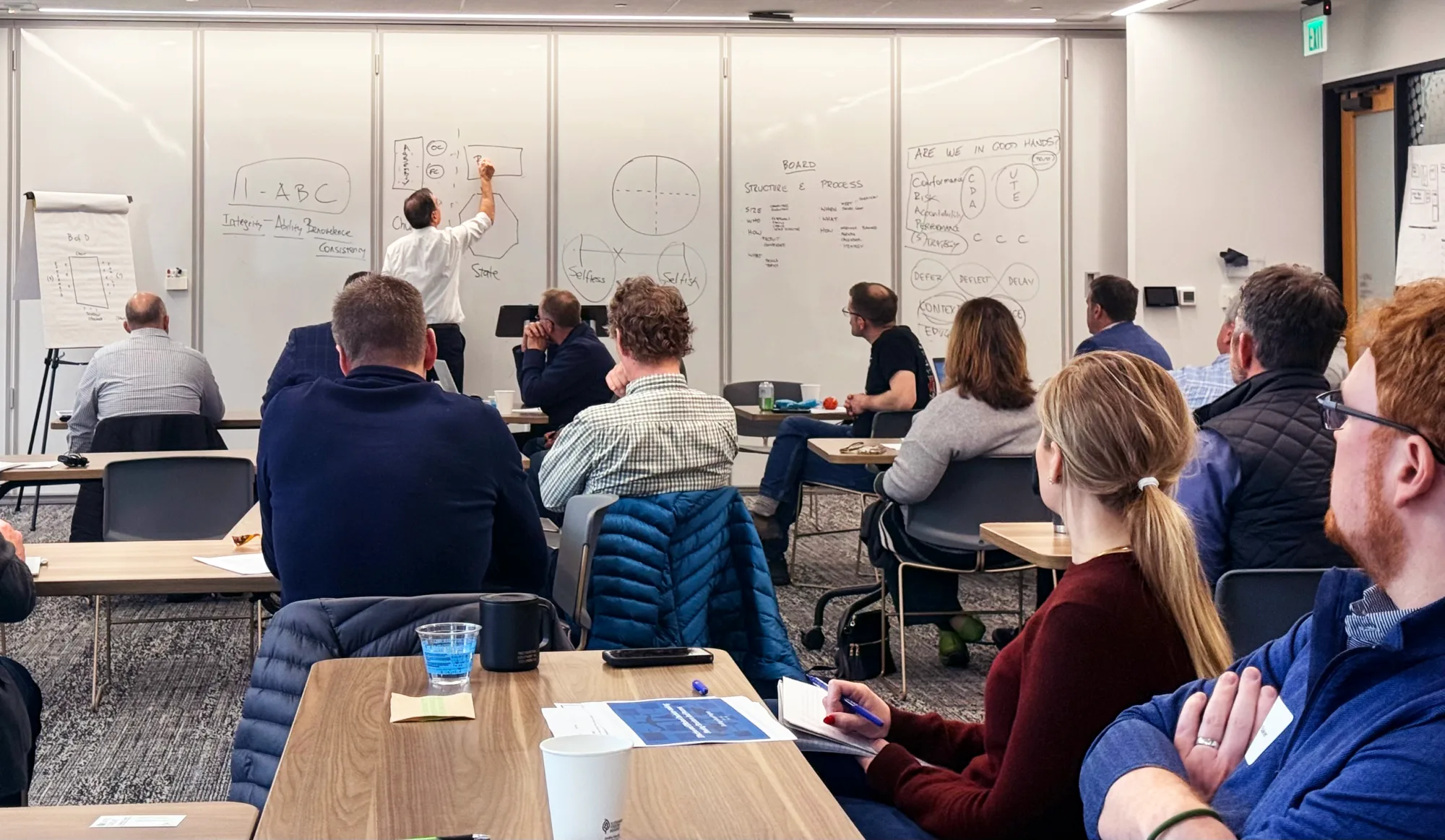
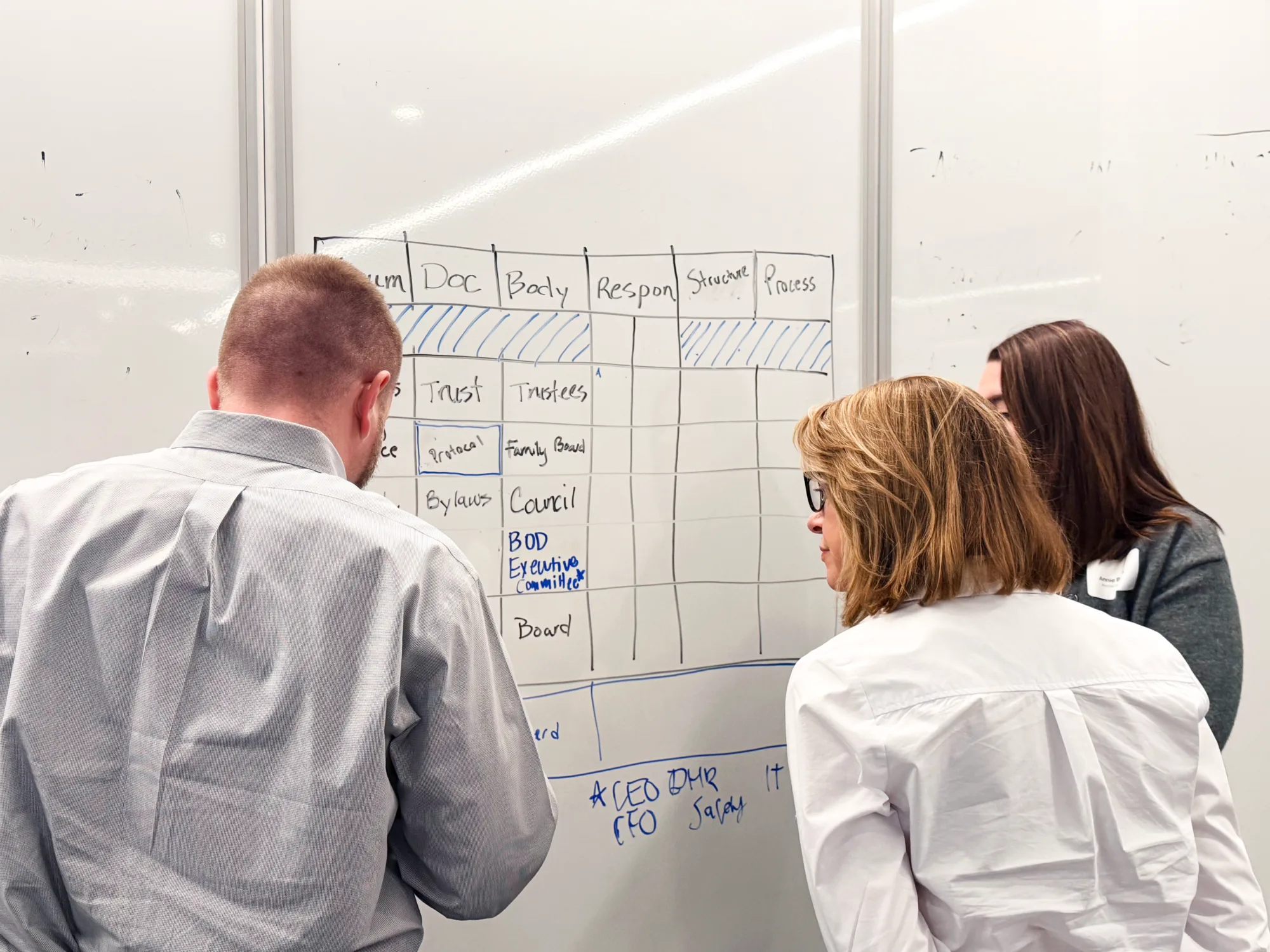
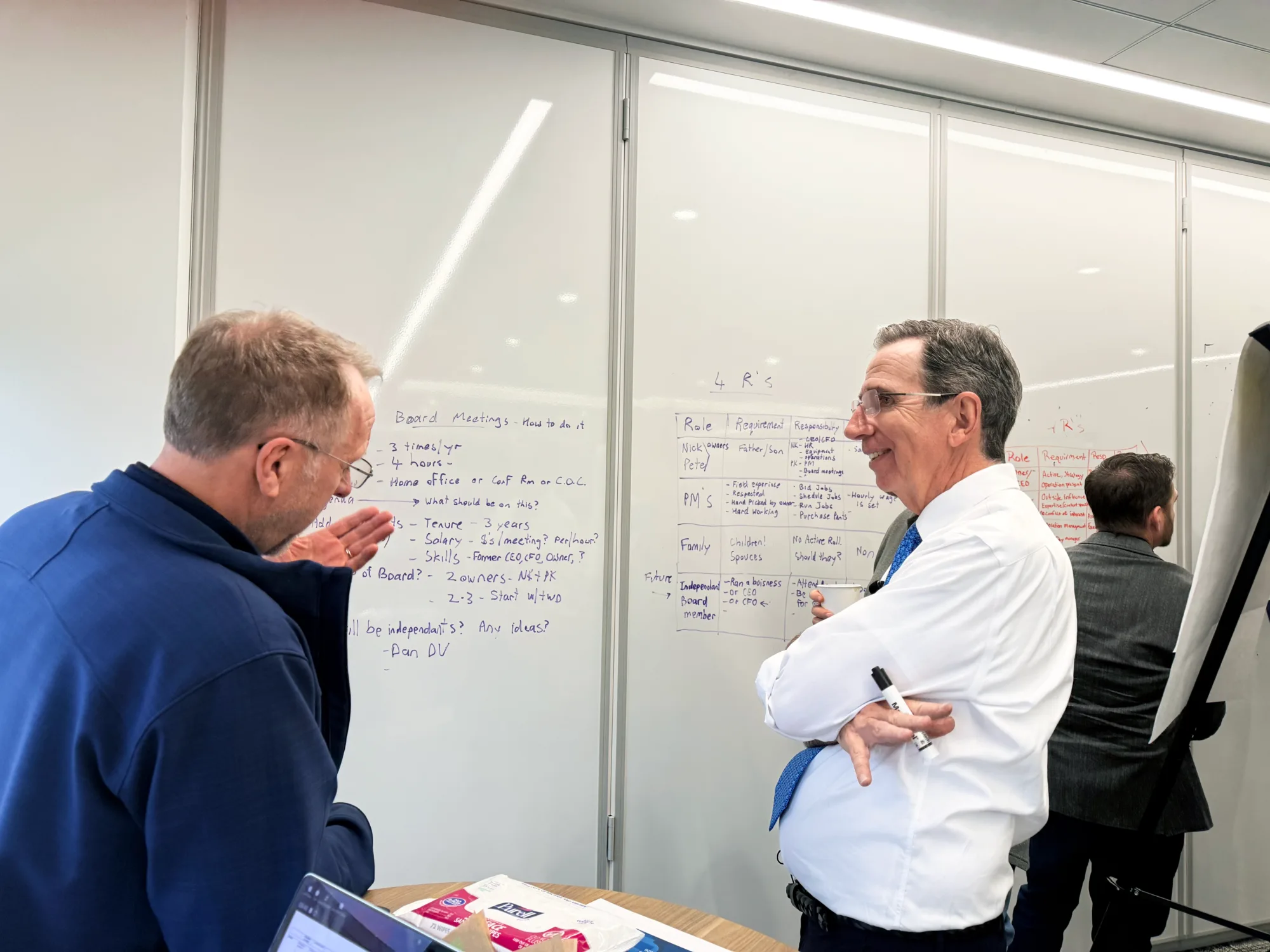
Family Business Alliance provides tools, resources, and connections to help family businesses succeed. Learn more about our resources including Leading Forward, Succeeding at Succession, and Forging Frameworks of Governance that help to advance family business in our community.